
BALANCE – Why do some children struggle?
- By: poWerful_2012
- On:
- 0 Comment
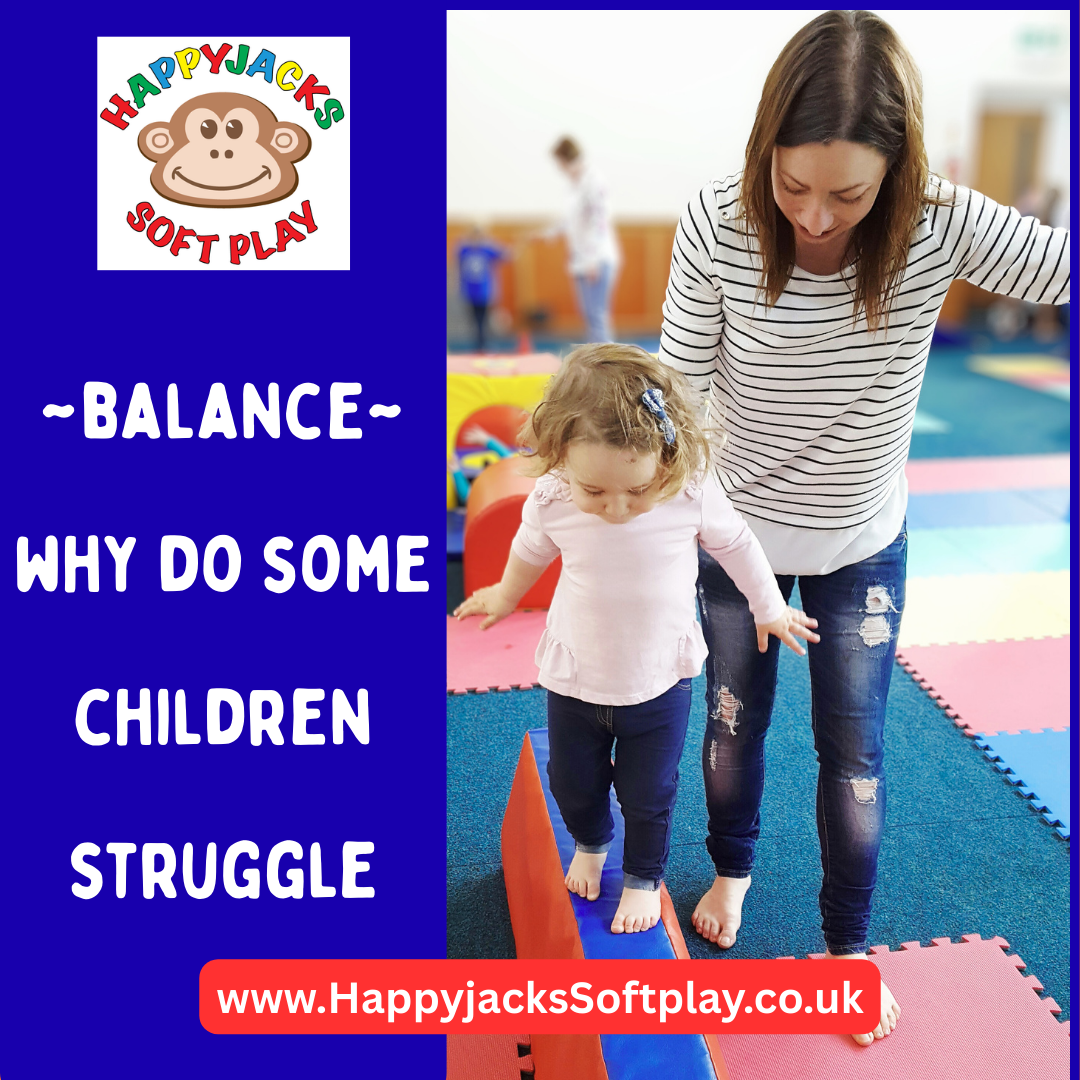
If you’re a parent, you’ve probably had that moment at the playground. You’re watching the other kids run, climb, and jump with ease… and then there’s your child. The one who trips a little more often, avoids the climbing frame, or falls off their chair during dinner.
It’s easy to worry. Is this just a phase? Are they “clumsy”? Or is something else going on?
The truth is, many children struggle with balance — and there are lots of reasons why.
What Does “Balance” Actually Mean?
Balance isn’t just about not falling over. It’s a skill that depends on several things working together:
-
The inner ear, which helps us understand movement and position
-
Body awareness, so children know where their arms and legs are
-
Vision, which helps guide movement
-
Muscle strength, especially in the core
When one of these areas isn’t quite keeping up, balance can be harder for some children.
Common Reasons Children Have Poor Balance
1. They’re Still Developing
Children don’t all develop physical skills at the same pace. Some master running and jumping early, while others need more time. For many kids, poor balance improves naturally as they grow.
2. Weak Core Strength
Strong tummy and back muscles help children sit, stand, and move with control. If these muscles are weak, children may slump, wobble, or tire easily — all of which can affect balance.
3. Sensory Differences
Some children find it tricky to process information from their bodies and their environment. They might seem unsure on their feet, dislike swings, or feel anxious about heights and movement.
4. Less Active Play
With more screen time and busy schedules, many children don’t get as much active play as they used to. Climbing trees, spinning, rolling, and rough-and-tumble play all help build balance — and kids need lots of it.
5. Coordination Difficulties
Some children have ongoing coordination challenges, often described as being “clumsy.” These children may struggle with sports, avoid physical games, or get frustrated easily because their bodies don’t do what they want them to do.
6. Vision or Ear Issues
Sometimes balance problems are linked to eyesight or the inner ear. Even mild issues can make a child appear unsteady or hesitant during movement.
How Poor Balance Can Affect Everyday Life
Poor balance isn’t just about falling over. It can also affect:
-
Confidence and self-esteem
-
Willingness to join in with games or sports
-
Sitting still at school
-
Independence in everyday tasks
Over time, children may start avoiding activities they find hard — which can make the problem feel bigger.
What Can Parents Do?
The good news? There’s so much that can help.
-
Encourage active play — climbing, cycling, dancing, swimming
-
Make balance fun with games like obstacle courses or standing on one foot
-
Build strength through play (wheelbarrow walks, yoga, animal walks)
-
Praise effort, not just success
-
Seek professional support if you’re concerned
When Should You Ask for Help?
If your child’s balance difficulties:
-
Don’t seem to be improving
-
Affect daily life or confidence
-
Lead to frequent falls or frustration
It’s worth talking to your GP, pediatrician, or an occupational or physical therapist. Early support can make a huge difference.
A Final Reassurance
If you’re worried about your child’s balance, you’re not alone — and you’re not overreacting. Every child is unique, and needing a little extra support is okay. With time, encouragement, and the right help, children can build strength, confidence, and coordination at their own pace.
Try This at Home – Simple Balance-Building Activities
You don’t need fancy equipment or structured workouts to help your child improve their balance. The best progress often comes through play, laughter, and everyday movement.
🌈 Balance Games
-
Stand on One Foot: See who can balance the longest. Make it fun by pretending to be flamingos or statues.
-
Walking the Line: Use tape or chalk to make a “tightrope” on the floor and walk along it heel-to-toe.
-
Hopscotch: Great for balance, coordination, and confidence.
🐾 Animal Walks
-
Bear walks, crab walks, frog jumps, and penguin waddles all strengthen core muscles while improving balance.
-
Turn it into a race or a silly challenge to keep it fun.
🧱 Obstacle Courses
-
Create a simple course using cushions, boxes, chairs, or cones.
-
Include stepping over objects, crawling under tables, and balancing on cushions or low beams.
🧘 Gentle Strength and Balance
-
Kids’ yoga poses like tree pose, warrior pose, or downward dog
-
Wheelbarrow walks (child walks on hands while you hold their legs)
-
Rolling and tumbling on the floor or on a mat
🚴 Everyday Movement
-
Riding a bike or scooter
-
Playing on swings, slides, and climbing frames
-
Dancing to music — especially stopping and starting on command
🏠 Everyday Opportunities
-
Encourage your child to help with tasks that involve movement, like carrying light shopping, tidying toys, or setting the table.
-
Walking barefoot at home (when safe) can also help children become more aware of their bodies.
💛 A Gentle Reminder for Parents
Keep activities:
-
Short and fun
-
Pressure-free
-
Matched to your child’s ability
Celebrate effort, not perfection. Even a few minutes a day can make a difference over time.
